Why these bids come back so far apart
Ask three contractors about making an old brick chimney safer in a quake and you may get three different jobs. One proposes steel bracing to the roof. One proposes straps at the ceiling and floor lines. One says the top should come down and be rebuilt lighter. The prices can differ by a multiple, and each bid makes sense on its own terms.
In South Pasadena, where many houses carry unreinforced brick chimneys, this choice comes up often, usually after a sale, a remodel or simply a long look at the stack after news of a quake somewhere else. The houses here have already been through Whittier Narrows in 1987, Sierra Madre in 1991 and the 1994 quake, and some chimneys carry old repairs from those years. This post sets the usual options out next to each other, in general terms, so you can see what each one buys.
What the risk actually is
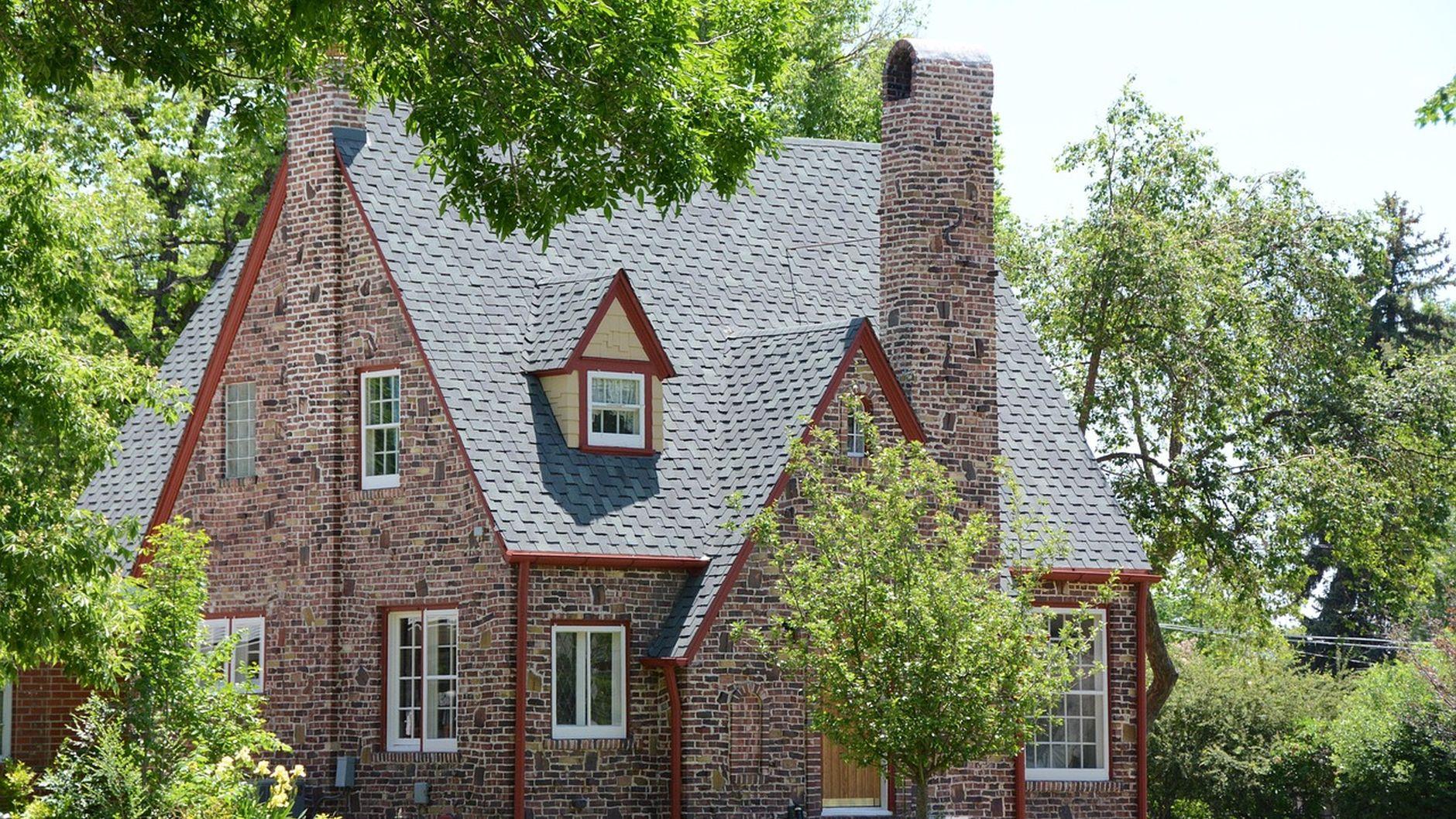
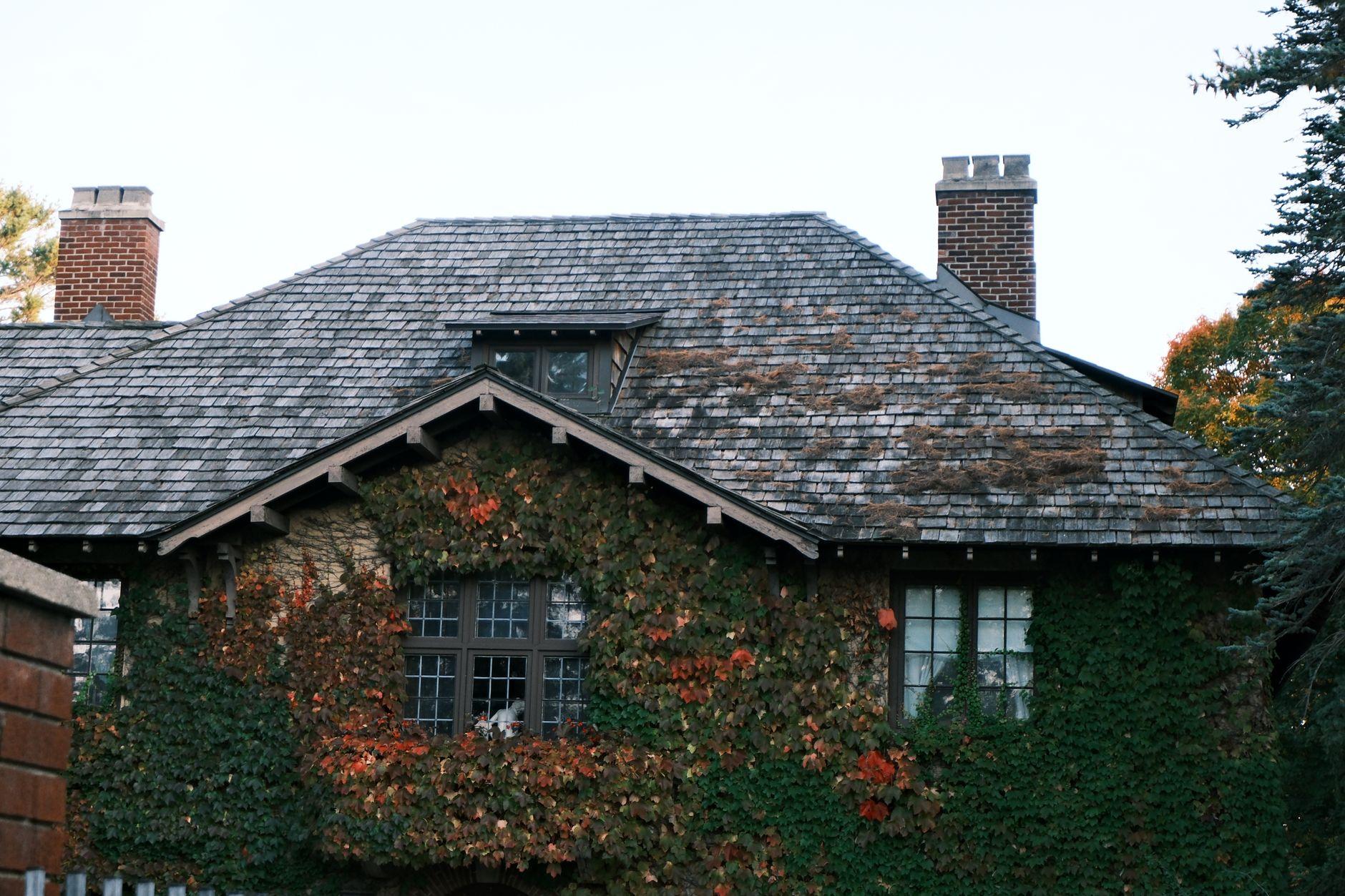
An unreinforced brick chimney is held together by mortar and its own weight. In strong shaking, the section above the roofline sways freely with no brace, and that unsupported stretch is where most chimneys snap. Lower down, a chimney that runs up an outside wall can pull away from the house if it is not tied to the framing. A seismic bid is trying to deal with one or both of those weak points.
Option one: bracing above the roof
Steel members tie the exposed top of the stack back to the roof framing, so a shake has something to pull against. It is the least disruptive option, it leaves the chimney looking much as it did, and the fireplace keeps working.
What it depends on: the brick and mortar above the roof being sound, and roof framing strong enough to take the load. A brace holds a stack together only as well as the joints in it do.
Option two: ties to the house framing
Steel bands or anchors fix the chimney to the house at the floor and ceiling lines where it passes the framing. This keeps the column from separating from the wall and falling outward.
What it depends on: access to the framing, which may mean opening some finished surfaces, and again, masonry that is sound enough to anchor into. It is often paired with bracing above the roof rather than offered on its own.
Option three: take the top down and rebuild it lighter
The brick above the roofline, sometimes further down, is removed to sound masonry and replaced. The new top can be reinforced brick, or a framed and finished chase around a metal flue, which is far lighter than the brick it replaces.
What it depends on: whether you want to keep a wood-burning fireplace, what the house should look like from the street, and the condition of the brick lower down. It costs the most, but it also removes the heaviest and weakest part of the chimney instead of holding it in place.
How we compare the bids you hold
We do not start from the bids. We start from the chimney.
- The mortar. If joints near the top are soft, bracing alone is not the right first step. Repointing or rebuilding comes before or instead.
- Old quake repairs. Patches from past quakes sometimes hide cracks that run deeper. The camera shows whether the flue inside matches the brick outside.
- The connection to the house. We look in the attic and, where reachable, at each level the chimney passes, for gaps or signs of movement.
- How the fireplace is used. A chimney that serves a wood fire every winter needs a different answer from one that serves nothing.
Then we set each bid against what we found and say which of them fits the chimney you have, which needs changes, and which assumes masonry that is not there.
What it costs to find out
Seismic work has no published price on this site. Its size depends on height, condition, access and the option chosen, so we write it up after the visit as separate lines.
- Camera inspection of the flue with roof and attic: $395
- Visual check of the stack and roof only: $55
For seismic questions we nearly always recommend the camera, because the main question is whether the inside of the chimney is as sound as the outside looks. The $55 check suits a narrow question, such as whether the top courses are loose.
To start, put the options side by side for us. List what each bid proposes, brace, ties or rebuild, in the form's message box, and we call back to set up the inspection.
What you have at the end
A written comparison of the bids against footage and photos of your chimney, our call on which approach fits, and anything that needs doing first whichever option you pick. No code citations and no talk of rebates: those depend on your city and your own circumstances, and we do not promise either.
Our seismic retrofit page covers the work itself, and chimney rebuilds covers taking a stack down to sound brick. We work through South Pasadena, Alhambra, Temple City and Duarte. If the reason you are looking is a referral in a home inspection, see what that referral line means.
Choosing with the evidence in hand
When the bids disagree on something as permanent as this, it pays to see the chimney first. The contact page is the place to begin; tell us which options you have been offered.
Want This Checked on Your Own Chimney?
Cain Chimney Experts looks at chimneys around South Pasadena for owners who have been handed a quote or a report and want proof. Every item gets its own photo and a label: now, later or not needed.